 1800 732 674


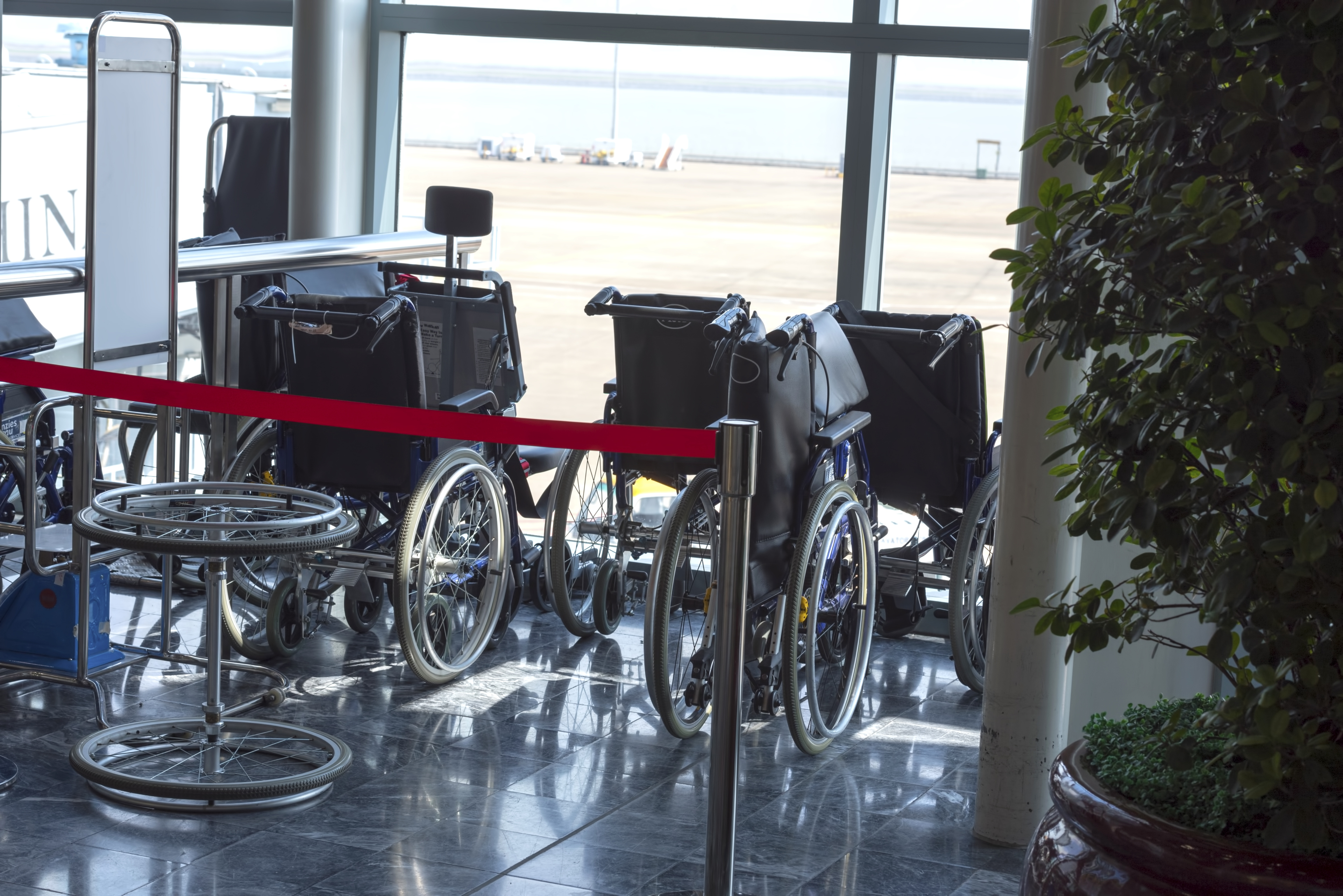
For most travellers, a damaged bag is an annoyance. For a wheelchair user, a damaged wheelchair means losing mobility, independence and sometimes their health and safety. That is the message at the heart of Physical Disability Australia’s (PDA) response to the Australian Government’s Aviation Disability Standards Consultation Paper (August 2026).
Why This Matters
According to the ABS (2022), 5.5 million Australians, or 21% of the population, live with disability. Only 62.5% of people with disability aged 5 and over can use all forms of public transport without difficulty, and 18% cannot use any at all.
Air travel depends on a chain of support: a person’s own equipment, carers, and airline and airport staff. If one link fails, the whole journey can fail.
What People Told Us
PDA conducted nationwide survey, and the findings were stark:
Only 18% said booking assistance was straightforward and that the assistance they requested was provided on the day.
56% found accessibility information available and useful. The bigger problem is delivery, not information.
Mobility aid damage, loss or delay was the most significant systemic failure identified.
Needs go well beyond wheelchair access. Extra time (78%), step-free access (78%) and seating priority (79%) all ranked highly.
A Hidden Problem
Australia doesn’t publicly report data on damaged or lost mobility aids. In the US, around 29 wheelchairs a day are lost or damaged beyond repair by airlines. Australian cases show the problem is real here too:
- Travellers were left stranded at airports late at night with broken wheelchairs.
- Wheelchairs were damaged on repeated flights.
- One passenger fell from an aisle chair while being moved by staff.
The Australian Human Rights Commission has received around 118 complaints against airlines since 2016. That figure understates the problem, because many people never complain.
What PDA Is Calling For
PDA makes 17 recommendations. The key themes are:
- Regulation, not voluntary guidance. Voluntary approaches haven’t delivered consistent access.
- Clear responsibility across the whole journey. No one should be left stranded at handover points between airlines and airports.
- Mandatory, co-designed training for airline, airport and security staff, including safe transfers and handling mobility aids.
- Public reporting on mobility aid damage, assistance wait times and refused travel.
- Passenger assistance profiles so travellers record their equipment and needs once, and that information is shared reliably.
- Transparency before booking. Airlines should publish cargo door dimensions and mobility aid limits by aircraft type and route.
- Free carriage of mobility aids, outside baggage allowances. Passengers should be able to stay in their own device to the aircraft door wherever possible.
- Enforceable timeframes for providing assistance and returning mobility aids.
- A damage and loss protocol, including full repair or replacement, a suitable loan device and tracking of equipment.
- Better aircraft accessibility. This means accessible toilets on new twin-aisle aircraft, onboard wheelchairs, more seats with moveable armrests, and access to hoists for transfers.
- A review of small aircraft exclusions, which hit regional and remote travellers hardest.
- Accessible, time-bound complaints handling, with a designated disability contact point at every airline and airport.
The Bottom Line
People with physical disability have the right to fly safely, with dignity and with choice and control. PDA welcomes the Government’s commitment to co-design new standards. To make a real difference, those standards must be enforceable, measurable and shaped by people with lived experience.


