Home / PDA Submission
PDA takes every opportunity that resources allow to provide formal submissions and consultations to the Government and NDIS.
Download PDF
Many wheelchair-accessible public toilets in NSW are fitted with access-hindering Master Locksmith Access Key (MLAK) locks. This means that if you need to pee, you will need a key… that you must purchase from a locksmith after proving you have a disability.
According to the Australian Government’s toilet map website, there are over 540 publicly available accessible toilets fitted with MLAK locks in NSW. This means roughly 1 in 6 public wheelchair accessible public toilets are inaccessible to those who do not have an MLAK or who can’t use them because they lack the physical ability to do so. The same website reports there are fewer than 40 of these in the remainder of the country.
This practice is discriminatory and PDA is campaigning to end it.
We have written to the Premier of NSW, her ministers and their counterparts in the opposition and have started a petition at change.org.
You can help by signing the petition and promoting our campaign with the hashtag #NoKeyToPee

In response to our letters, we got a reply from Ray Williams MP, Minister for Disability Services advising us that “MLAK locks were introduced in NSW with the good intention of enabling after hours access to accessible toilet facilities by people with disability…” and that in January 2017 a set of guiding principles of access were discussed and agreed to by a range of stake-holders. These include that:
– Accessible toilets should be unlocked during daylight hours; and
– Accessible toilets should be unlocked when co-located with unlocked general entry toilets.
We also received a letter from the NSW Office for Local Government affirming the Government’s strong commitment to “eliminating discrimination against people with a disability and to supporting equal access to public facilities in accordance with the relevant anti−discrimination laws”. However the letter also declares they do not have the power to “direct councils about how to maintain their public toilets”.
So our next step is to write to each of the Mayors and General Managers of the 68 NSW Councils who maintain wheelchair-accessible public toilets currently fitted with MLAK locks to asking them to confirm in writing that they are following the January 2017 Guidelines.
The following NSW Local Government Councils have committed to keeping their wheelchair-accessible public toilets unlocked*. Click the links to read their letters to PDA:
– Blue Mountains City Council
– Clarence Valley Council
– Eurobodalla Shire Council
– Ku-Ring-Gai Council
– Albury City Council
– Inner West Council
– Cowra Shire Council
– Cumberland Council
– City of Canada Bay Council
– City of Sydney Council
– Bathurst Regional Council
– Mid-Western Regional Council
– Georges River Council
– Maitland City Council
– Cessnock City Council
– Northern Beaches Council
– Snowy Valleys Council
– Wollongong City Council
– Muswellbrook Shire Council
– Narrandera Shire Council
– North Sydney City Council
– Byron Shire Council
– City of Newcastle Council
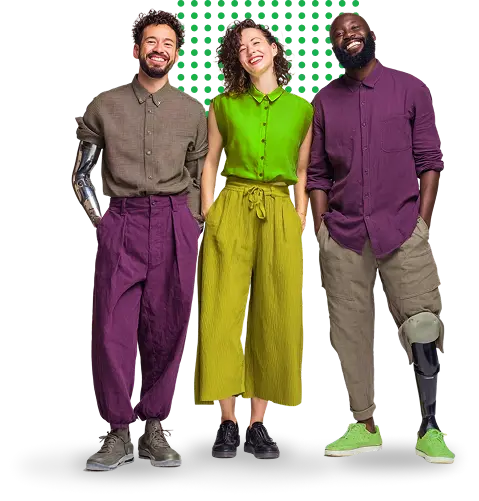
We provide systemic advocacy to uphold the rights and voices of Australia’s physical disability community.
We build community, connection and relationships to support our members and the wider disability community.
We are a leading force working with Government and other Disability Representative Organisations (DROs) in improving the lives and inclusion of people living with disability.
Please be advised that we do not provide individual advocacy support. If you require this, please see the “See Services Link“.
Join us at a PDA hosted events such as our monthly Social Hour and Webinars.
We also encourage members to get involved in one of our committees and organisational groups. Email team@pda.org.au for more information.
Members are also invited to take part in forums and roundtables (including exclusive paid opportunities). Detailed information will be emailed to members as they become available.
Physical Disability Australia (PDA) was established in 1995. Its founding members were people living with physical disability who recognised that they were not being represented within the advocacy space at that time.
Whether you’re living with a disability, know someone who is, or simply believe in equal rights — your voice matters.

Together, we can break barriers and build a more inclusive world.


 1800 732 674


